Today we get to say a thing we have been sitting on for months. We are making a new game. It is called Overflow, it is a network roguelite, it is coming to PC in 2027, and the whole thing is built around one small and slightly mean idea: when a single Node fills all the way up, your run is over.
That is the hook. Not a boss, not a timer, not a health bar draining to zero. Just a Node quietly filling, and the growing dread that it is the one that ends you. We want to talk about why we built a game around losing, because the honest answer is that it taught us more about fun than any win screen ever has.
The idea we could not stop thinking about
Most games are designed outward from a victory. You picture the moment the player wins, then you build backward until there is a game attached to it. Overflow started from the opposite end. We kept sketching systems where the interesting decisions all happened near the edge of failure, where a player is one bad choice away from the whole thing tipping over.
So we leaned in. In Overflow you are moving through a network, pushing deeper, keeping the pressure spread across your Nodes. Every push buys you progress and adds a little more load. Let one Node overflow and that is the run. The fantasy is not “beat the level”. It is “keep the whole thing from going under for just one more turn”.
Why losing turned out to be the best part
Here is the thing we rediscovered while prototyping. A clear, visible, slightly scary fail state is a gift to the player. When you can see exactly how you lose, every decision gets heavier in a good way. Do you push one more Node and bank the progress, or do you play it safe and let the chance slip? That question only has teeth because the cost of being wrong is right there on the screen, climbing.
Near misses are the whole appeal. The run where a Node sat at ninety-something percent for five agonising turns and you walked away alive is the run you tell people about. We are not designing to be cruel. We are designing so that surviving actually feels earned, and so that losing feels like something you did, not something the game did to you.
What this has to do with punching and spaceships
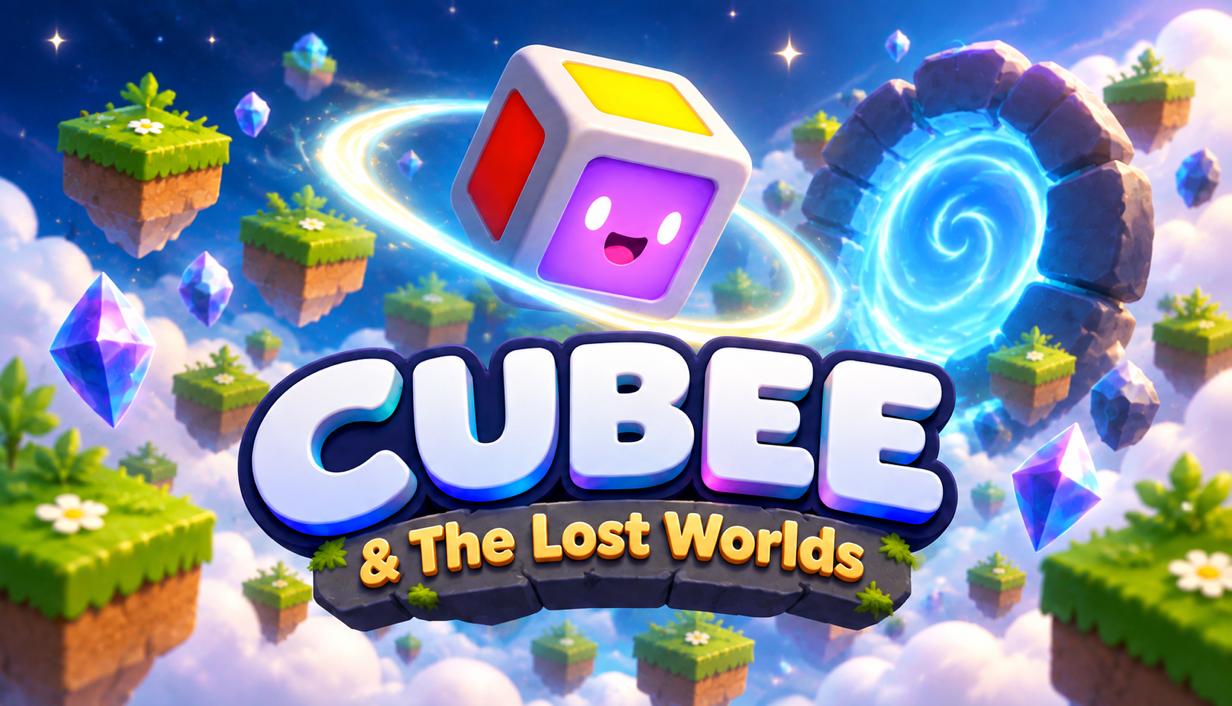
If you have played our other games this will feel familiar, even though nothing about them looks the same on the surface. PUNCH CHAMPS is a tactical fighter about reading your opponent one beat ahead. Star Shredders is a retro shooter about threading through chaos you can just barely handle. Cubee is a puzzle game about seeing the one move everyone else missed. Different genres, same obsession: tight, readable systems where good play is visible and the tension is honest.
Overflow is us taking that obsession somewhere riskier. A roguelite lets the systems do the talking, run after run, and the network framing gives us a shape we have genuinely never built before.
| Game | What it is | The throughline |
|---|---|---|
| PUNCH CHAMPS | Tactical 2D fighter | Read the opponent, commit, live with it |
| Star Shredders | Retro space shooter | Stay calm inside the chaos |
| Cubee | Puzzle game | Find the move hiding in plain sight |
| Overflow | Network roguelite | Hold it together for one more turn |
Where Overflow is right now
Early. Honestly, properly early. We are deep in the part of development where we are still asking the game hard questions and listening to what it answers. A 2027 window on PC gives us the room to get the feel right rather than rushing a roguelite out the door, because a roguelite that is not fun on turn two hundred is not fun at all.
We will be sharing this one in the open, the way we try to with everything: the clever bits, the embarrassing bits, the systems we were sure about that turned out to be wrong. If any of this sounds like your kind of tension, the single most useful thing you can do is wishlist Overflow on Steam. It genuinely helps a studio our size, and it means you will be there when the first Node starts to climb.
More soon. We are excited, and slightly nervous, which is usually a good sign.
Thanks for reading. Finn says hi, and reminds you that no sharks were harmed in the building of this network. Yet.