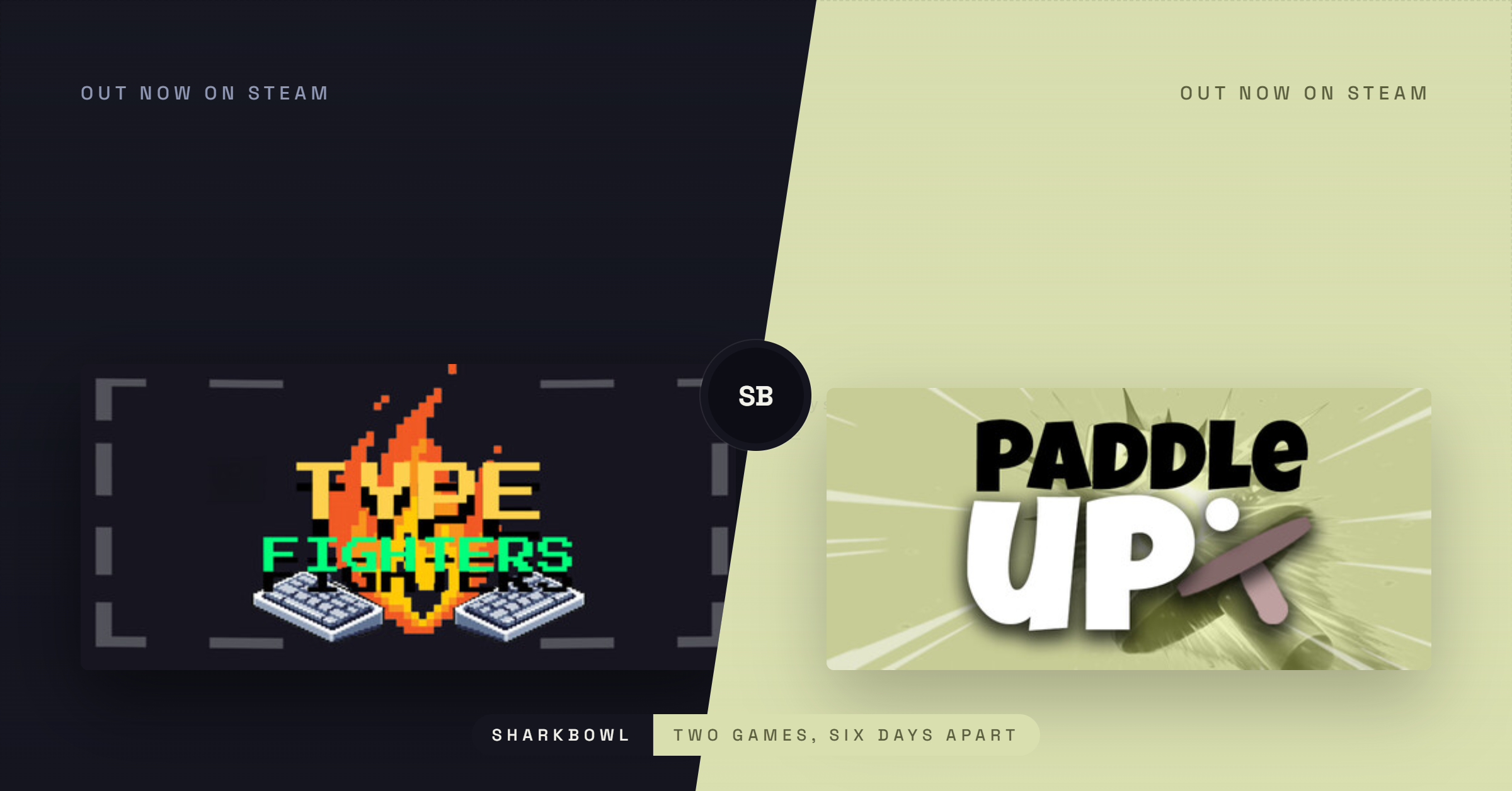
There’s a particular kind of silence that follows a launch.
Not a bad silence. A good one, mostly. The store pages are live, the download counters are ticking, the Discord has stopped setting our phones on fire every thirty seconds. After the sort of month we’ve just had new games arriving close enough together to feel less like releases and more like a weather event the quiet afterwards is almost startling. You look up from your desk and realise the thing you’ve been sprinting toward for months has, quietly, happened.
And then you have to decide what to do with yourself.
The comedown is real (and that’s fine)
Nobody warns you about the post-launch slump. You spend weeks running on adrenaline and to-do lists, and the day it’s all out the door, the to-do list evaporates and takes your sense of purpose with it. For a small team, this is a slightly dangerous moment. The instinct is to immediately start the next loud thing announce a title, promise a date, fill the silence because silence feels like falling behind.
We’ve learned, mostly the hard way, to sit in it for a minute instead. A launch is expensive, not just in hours but in the particular energy that small teams run on the kind that makes shipping a game feel reasonable in the first place. You can’t refill that tank by immediately drilling a new hole in it. So the first thing we do after the noise dies down is, genuinely, not much. We play other people’s games. We go outside. Finn gets an unusual amount of attention.
Reading the scoreboard honestly
Then the real work starts, and it’s the unglamorous kind: looking at what actually happened.
This is harder than it sounds, because a launch generates a fog of numbers and vibes, and it’s tempting to read whichever ones flatter you. The honest version means asking duller questions. Which game found its people and which one is still looking? What did players actually do once they were in where did they stop, what did they replay, what did they quietly ignore? Where did the folks who showed up even come from, and can we get back there on purpose next time?
None of this is glamorous. All of it is the difference between making our next game on evidence and making it on a hunch. We’re a studio that ships often and ships small, which is a lovely way to work right up until you realise it also means you have to learn fast, because the next one is never far away.
Back to the unfinished things
And then the good part, you get to open the files you had to put down.
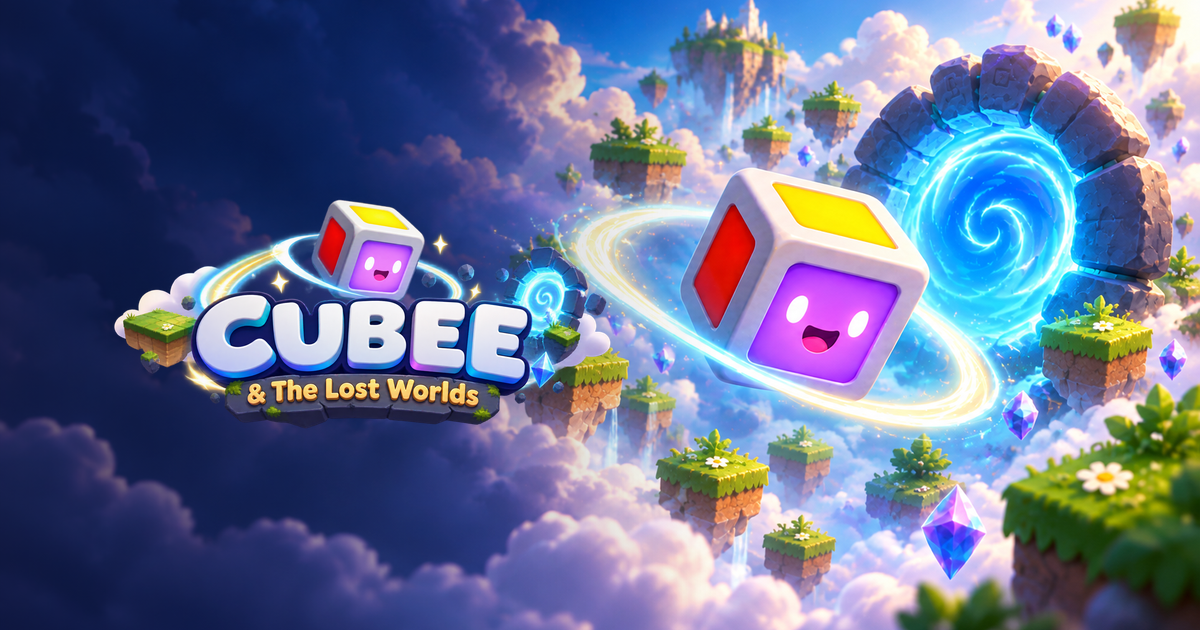
We’ve got two games quietly in development, Overflow and Cubee, that spent the launch crunch exactly where unfinished games go to wait: patiently, in a folder, judging us. Coming back to a project after a few weeks away is one of the underrated joys of this job. The problems that felt unsolvable when you left have a way of looking smaller with fresh eyes, and the ideas you were too deep to notice are suddenly obvious. A prototype you’d half given up on makes you laugh again. That’s usually the signal worth trusting.
We’re not going to pretend either of these is further along than it is, or promise you a date we’d only have to walk back. That’s not how we like to do things. But the shift we’re feeling this week from the mode where you’re defending a finished thing to the mode where you’re building a messy new one is the part of the cycle we like best. Shipping is the loud reward. Building is the actual job.
Why the quiet weeks matter
If there’s a point buried in all this, it’s for the other small teams reading: the weeks right after a launch are not dead time, and they’re not a failure to be busy. They’re when you recover the energy that lets you do it all again, learn the lessons the launch was too loud to teach you, and fall back in love with the unfinished thing on your hard drive.
So that’s where we are. Desk cleared, numbers read, coffee regrettably strong, two prototypes open and misbehaving. The noise has died down, and the best part is just getting started.
More soon and, as ever, no sharks were harmed in the making of any of it.
— The Sharkbowl team